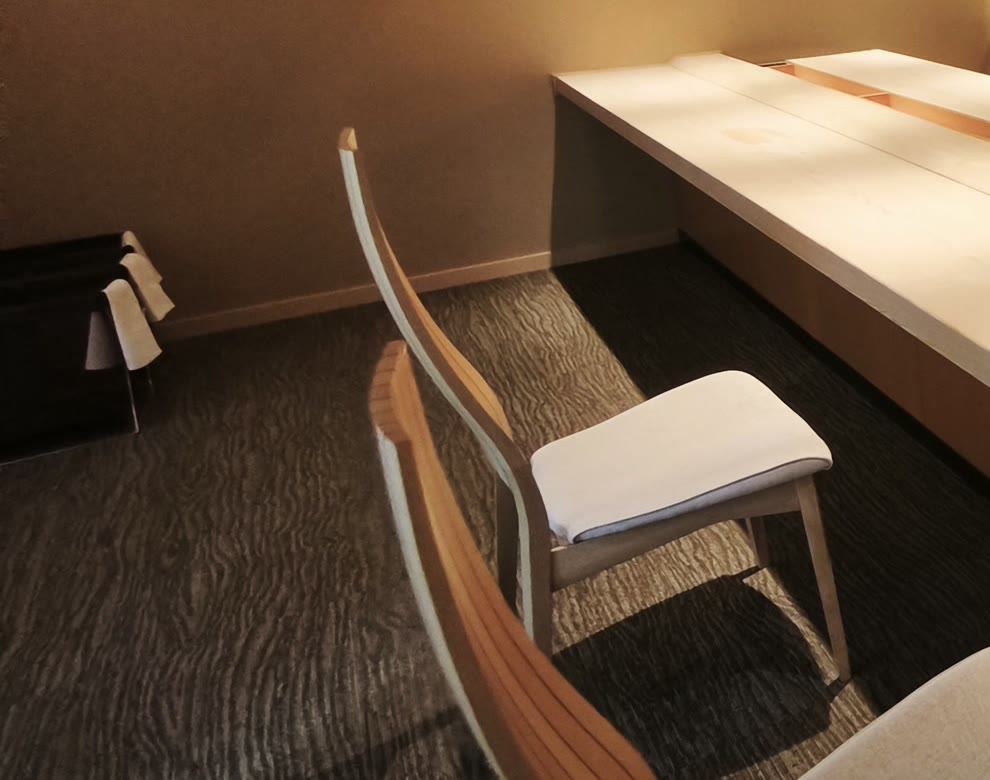
If you are planning to sit at a sushi, omakase or kappo counter in Japan, you have probably already read a list of etiquette rules. Most of those lists are written from the guest’s side of the counter.
This one is written from the other side.
I am Chef Paprika, an itamae (a chef of Japanese cuisine). I have spent 23 years in professional kitchens, including time as a head chef. I have worked at ryotei (traditional high-end Japanese restaurants) in central Tokyo, at a Michelin-starred restaurant, and at a members-only club. I also hold a Tokyo fugu (pufferfish) license.
So let me tell you honestly what makes the person behind the counter happy, what makes our job harder, and why you, as a visitor from abroad, are welcome.
First, the most important thing: you are welcome
In Japan there is a famous phrase in the service industry: okyakusama wa kamisama, “the customer is a god.” It expresses how seriously we take care of our guests.
But here is what I really believe: the restaurant and the guest are equals. You pay for the food and the service. We give our best in return. When both sides respect each other, the meal becomes something special for everyone at the counter.
I like to compare it to going on a date. You make a reservation, you arrive on time, and you treat each other with appreciation. That is really all there is to it.
You do not need to know every rule. You do not need to speak Japanese. What a chef notices is not whether you hold your chopsticks perfectly. It is whether you came with respect and an appetite.
One of my favorite moments behind the counter is when a guest from abroad tastes something and tells me it is delicious with a lovely smile and a few warm words. That makes my whole evening.
What we try to give you from our side of the counter
Before talking about guests, I want to be fair and say what a good restaurant owes you. In my view, we are not just selling food. We are offering an experience you will want to come back for:
- The food. Careful choice of ingredients and careful cooking, down to the small details.
- The season. A menu that changes with the seasons, so every visit has something new to discover.
- Care for your needs. Guests with allergies or dietary restrictions should be able to eat with peace of mind.
- Service. Polite, attentive service that reads your face and gives you what you need, without making you wait.
- Flexibility. If you have a special request, we try to meet it as far as we can. A birthday or an anniversary is a chance for us to make the evening memorable.
- A good place to be. A clean room, a calm atmosphere, the right lighting and seasonal touches, so you can relax and enjoy your conversation.
- Safety. Strict hygiene from the kitchen to your seat, and serving alcohol responsibly.
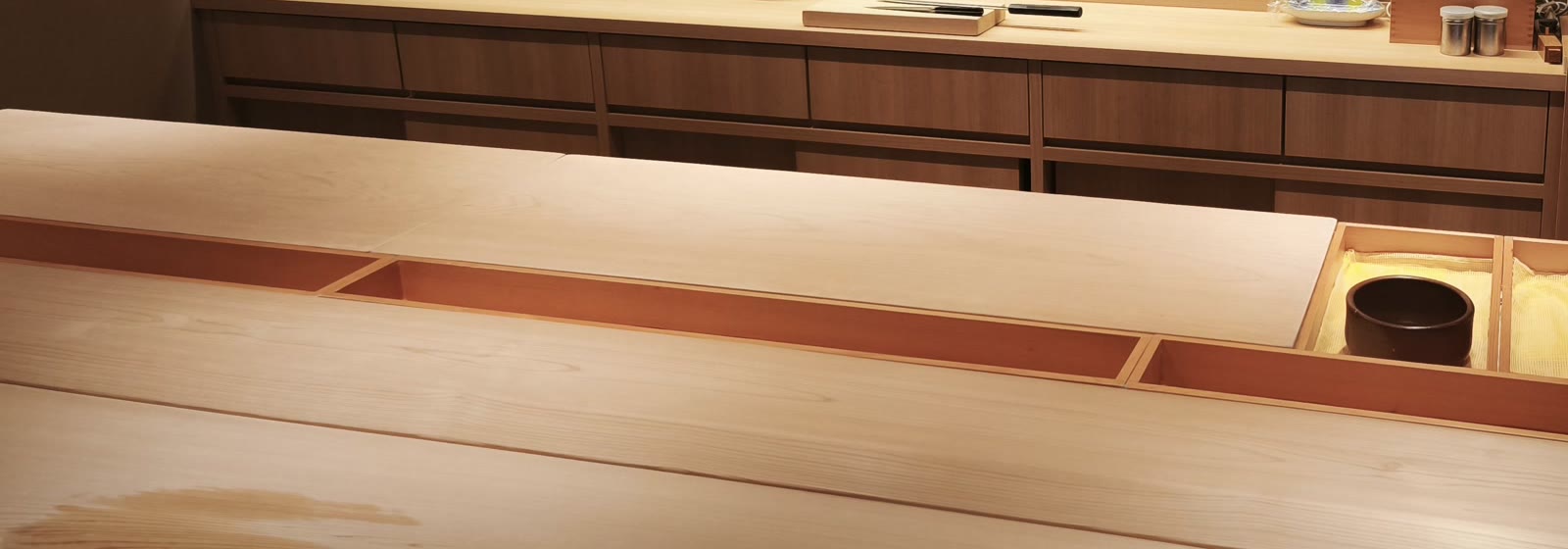
When you sit at the counter, this is what the chef in front of you is working on all evening. Knowing that makes it easier to understand the rest of this article.
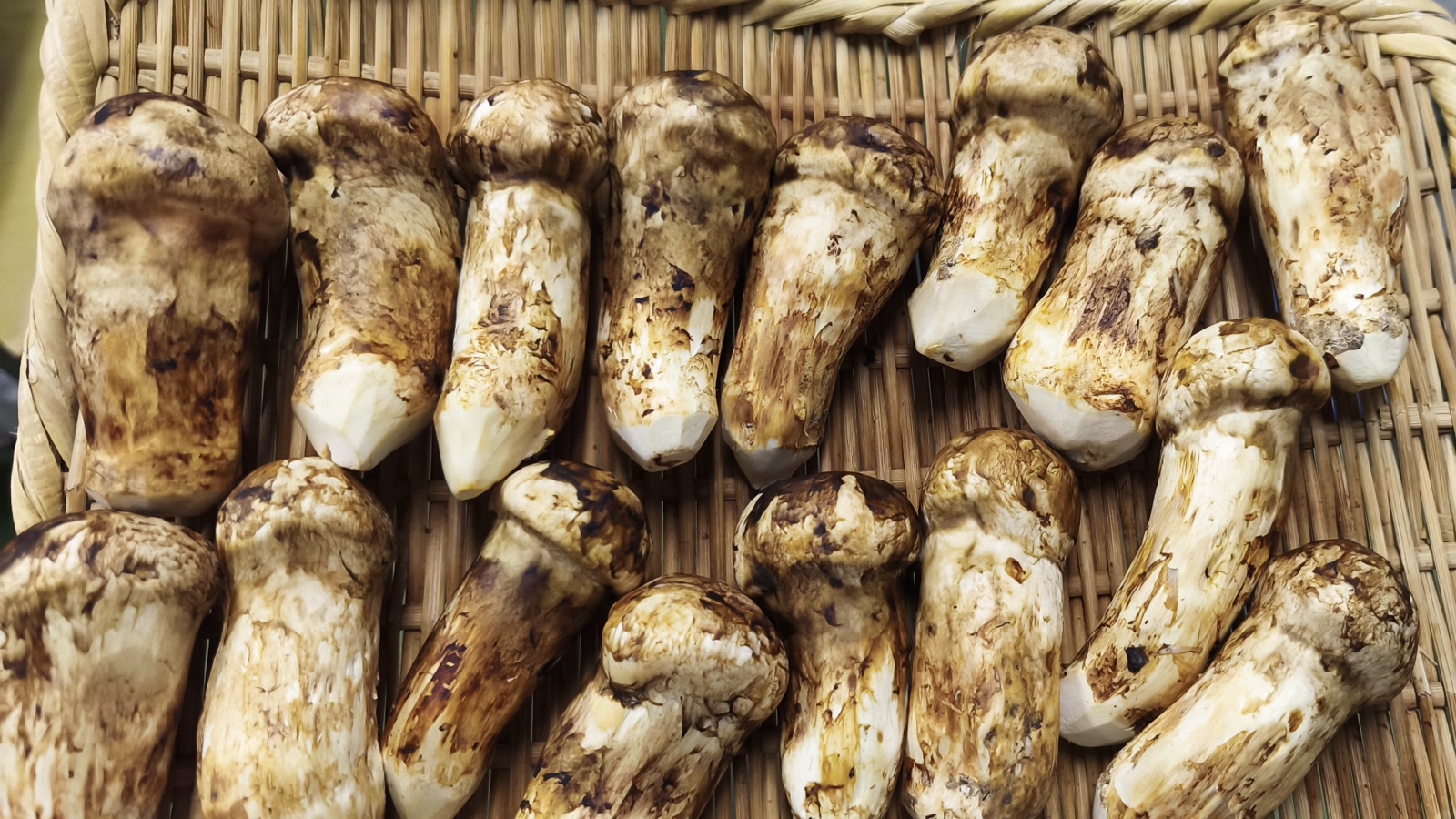
What makes an itamae happy
You reserve ahead, and you arrive on time
If you know your plans, please book in advance. It lets the restaurant prepare properly, especially on busy nights or special occasions.
And please arrive at your reservation time. If something unavoidable happens and you are going to be late, contact the restaurant before your reservation time. That single message makes a big difference to us.
Why does time matter so much at a counter? Some restaurants plan each seating for about two hours and take the next reservation right after. If one group starts late, the next guests may arrive and find their seats are not free yet. For me, that is the hardest situation of all. And at some counters, the chef serves the same dish to everyone at the same moment, even to different groups, so one late arrival affects the whole counter.
You may have heard that some restaurants in Japan hesitate to take bookings from overseas. Let me be honest about why. Most of the foreign guests who actually come to our counters are wonderful. Truly difficult guests are very rare. The hesitation comes from two things: the occasional no-show, and the fact that it can be hard to communicate something technical, like an allergy, across a language barrier.
So here is my small request. When you book, please come, and please come on time. It is not only good for you. It also helps the next traveler from abroad, someone you will never meet, who hopes to sit at that same counter.
You tell us about allergies and requests in advance
If you have an allergy, a dietary restriction, or a special request, please tell the restaurant when you book, not after you sit down. Then we can prepare properly, and you can relax and eat with peace of mind.
Some ingredients in Japanese food are easy to miss, so please keep these in mind when you explain an allergy:
- Dashi (the basic stock) is made from bonito flakes or niboshi (dried small fish), which are fish, and kombu (kelp).
- Mirin contains alcohol.
- Soy sauce contains wheat and soy.
- Frying oil is often shared with other dishes.
Hidden ingredients to mention when you book.
This is not a complete list, and every kitchen is different. If you have an allergy, always tell the restaurant when you book, and check with them directly.
You are polite to the staff
This sounds obvious, but it matters more than anything. A guest who treats the staff with courtesy and appreciation makes the whole room better, and, honestly, tends to receive even better service.
You think of the people around you
A counter is a shared space. Please:
- Keep your voice at a comfortable level.
- Keep phone use to a minimum.
- Ask before taking photos. Some places are happy for you to take pictures; others are not. Just ask.
When you show consideration for others, every guest at the counter has a better evening, including you.
One more thing: please go easy on perfume or cologne. A strong scent gets in the way of the delicate aroma of fresh fish and dashi, and it reaches the guests sitting next to you, too.
You order what you can enjoy
Please do not over-order and leave food behind. Enjoy a sensible amount. It reduces waste, and it respects the ingredients and the work that went into them.
You say “thank you” and “it was delicious”
A small word goes a long way. Arigato (thank you) or oishikatta (it was delicious): these little phrases really lift the motivation of the people working behind the counter. You do not need perfect pronunciation. We will understand.
You tell others, and you come back
If you had a good experience, tell people about it. Word of mouth and reviews are a huge help for a restaurant. And if you return, you become one of the regulars who keep a restaurant going.
What makes our job harder
I want to be gentle here, because most guests, from Japan and from abroad, never do any of these things. But since you asked for the honest view from behind the counter:
Arriving late, or not coming at all
Being late for a reservation, or cancelling without telling us, causes the restaurant real trouble. If your plans change, please let the restaurant know.
Being rude to the staff
A guest who is disrespectful to the staff changes the mood of the whole room, for everyone.
Drinking too much
Getting very drunk, bothering other guests or the staff, or making a lot of noise is a real problem. Please enjoy your sake at a pace that keeps the evening pleasant.
Ordering food and not eating it
Ordering more than you need and leaving it uneaten wastes ingredients. Order an amount you can enjoy.
If something goes wrong, please tell us (calmly)
This may surprise you: telling the restaurant about a problem is not bad manners. Good feedback helps a restaurant grow. When a guest points out a problem and we fix it, and the guest comes back and notices the improvement, that guest often becomes a real fan.
Two things make feedback useful:
- Stay calm. If you speak calmly, the staff can respond calmly too.
- Be specific. Instead of “the food was slow,” say something like “more than 30 minutes passed after I ordered and the dish still had not come.” Then we know exactly what to fix. If you can, suggest what would have been better.
And if you do not speak Japanese? Just tell us right there, casually. You can speak to the chef or to the floor staff, whoever is closer. Showing us a translation on your phone is perfectly fine.
FAQ
Do I need to speak Japanese to sit at a counter? No. What matters most is courtesy and respect. A simple arigato or oishikatta will make the chef happy.
Can I take photos of the food? It depends on the restaurant. Always ask first. Some places are fine with it, others are not.
What should I do if I have a food allergy? Tell the restaurant when you book, not when you arrive. That way the kitchen can prepare properly and you can eat with peace of mind.
What if I am running late? Contact the restaurant before your reservation time. Arriving late without a word, or not showing up, causes real trouble for the restaurant.
Should I tip in Japan? No. Tipping is not expected at Japanese restaurants. A sincere arigato or oishikatta means more to us.
What if I have a problem and do not speak Japanese? Tell the chef or the floor staff right away, casually. Showing a translation on your phone is fine.
Closing
The secret to a wonderful evening at a Japanese counter is simple: respect each other. Be polite, keep your reservation time, eat what you order, give honest feedback calmly, and say thank you.
Do that, and you will not only make the chef happy. You will have a better meal yourself.
One more thing, from my heart. Omotenashi, Japanese hospitality, is at its best when it goes both ways. To enjoy it fully, it helps when the guest is not bossy or arrogant either. If you can show a little consideration to the cooks and to the people serving you, it would make us truly happy. And I think you will feel it come back to you during the evening.
I hope to see more travelers at Japan’s counters. If you want to know more about what you might eat there, these English articles are a good next step:
- Is Fugu Safe? A Licensed Fugu Chef Explains
- Kaiseki Explained by an Itamae: The Course Order and the Words on the Menu
- Japanese Knife Types and Names, Explained by a Working Itamae
- How to Sharpen a Single-Bevel Japanese Knife, Step by Step
- How to Cut a Tuna Block into Saku (Sashimi Blocks): A Professional Itamae’s Method
Written by Chef Paprika, an itamae with 23 years of experience.